
Eco-Friendly Alternatives to Plastic Plant Pots

Table of Contents
- Why Eco-Friendly Alternatives to Plastic Plant Pots Matter
- Biodegradable Plant Pots: Compostable Options That Disappear
- Terracotta Plant Pots Benefits and Longevity
- Repurposing Household Items for Gardening
- Reusable and Long-Term Sustainable Options
- Comparing Cost and Environmental Impact Over 5 Years
- Plant-Specific Suitability and Disposal Instructions
- Conclusion
Last Updated: August 27, 2026
Why Eco-Friendly Alternatives to Plastic Plant Pots Matter
🌱 Plastic plant pots have dominated gardening for decades, but their environmental cost is becoming impossible to ignore. Every year, millions of traditional plastic containers end up in landfills, where they persist for hundreds of years (the EPA). The shift toward eco-friendly alternatives to plastic plant pots isn't just a trend, it's a necessary response to how we care for both our plants and our planet.
Plant lovers are increasingly seeking containers that align with their values, choosing options that don't compromise on style, durability, or plant health. There are now more sustainable choices than ever before, each with distinct advantages depending on your needs, budget, and gardening style.
This guide covers the most practical eco-friendly alternatives to plastic plant pots currently available, from fully compostable options to long-lasting reusable containers. We'll explore what actually works, what the trade-offs are, and how to choose the right solution for your specific plants and space.
Biodegradable Plant Pots: Compostable Options That Disappear
Biodegradable plant pots are containers made from natural, renewable materials that break down completely in composting conditions. These typically include coir (coconut fibre), peat, wood pulp, and plant-based resins. Unlike plastic, they return to the soil within months rather than centuries.
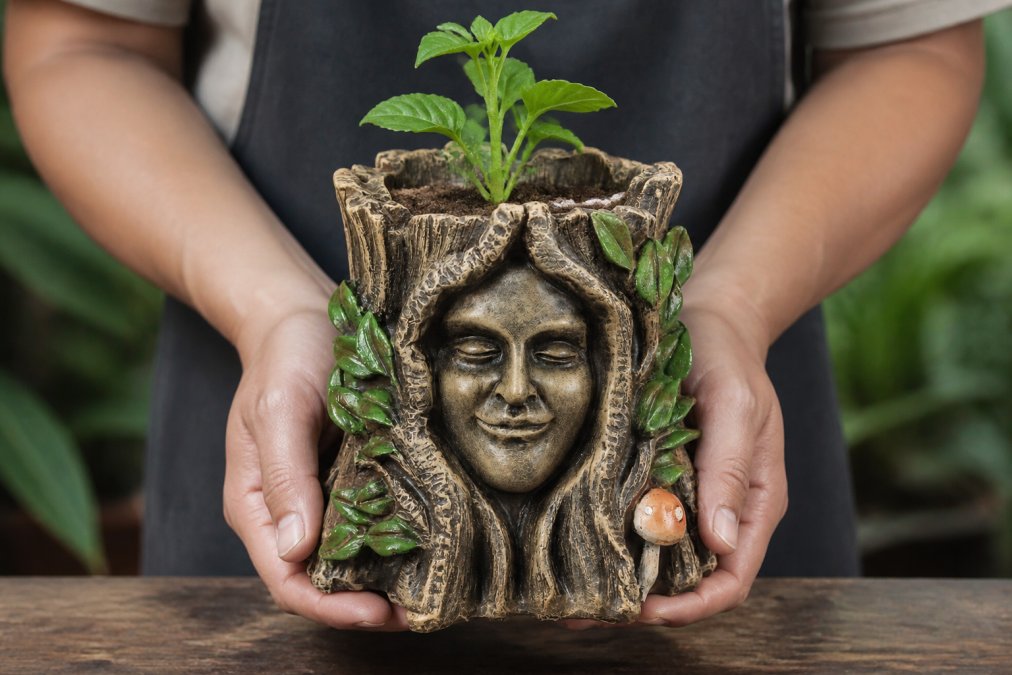
The appeal is straightforward: you plant the seedling directly into the ground, pot and all. The container softens and decomposes as soil microbes break it down, eliminating transplant shock and reducing waste. However, biodegradable pots are thinner and more fragile than plastic, drying out faster and requiring more frequent watering. They're also more expensive per unit than plastic alternatives, and durability varies widely depending on storage conditions.
Peat-Free and Coir-Based Containers
Coir-based pots have become the standard choice among environmentally conscious gardeners. Coir is the fibrous material extracted from coconut husks, a byproduct of coconut processing that would otherwise be wasted. These pots are sturdy enough for most seedlings and young plants, yet they break down completely in garden soil or compost within 6-12 months (peer-reviewed research).
Coir holds water longer than paper pots, reducing watering frequency. The material is naturally porous, supporting healthy root development and soil aeration. Many commercial nurseries have switched to coir-based trays for this reason. The trade-off is cost and storage requirements, keep coir pots in a cool, dry place, as moisture can trigger premature decomposition.
Bamboo Fibre and Natural Fibre Pots
Bamboo fibre pots represent a newer category of biodegradable containers. Bamboo is a renewable resource that grows rapidly without requiring pesticides. Fibre-based pots made from bamboo, rice husks, or other agricultural waste combine durability with compostability.
These pots are notably stronger than coir alone, offering better structural integrity during handling. They're also lighter and provide good drainage and aeration. The downside is inconsistency in quality and moisture retention, with fewer size options compared to plastic or terracotta.
Terracotta Plant Pots Benefits and Longevity
Terracotta is a traditional clay material fired at high temperatures, creating a porous, breathable container that has been used for plant cultivation for centuries. The porosity allows air and moisture to pass through its walls, which fundamentally changes how plants interact with the soil inside.
Water evaporates through the pot walls, preventing waterlogging and supporting healthy root development. Plants in terracotta typically require less frequent watering than those in plastic or sealed containers. For succulents, cacti, and other drought-tolerant species, this breathability is ideal.
The longevity of terracotta is genuinely impressive. A quality terracotta pot can last 20-30 years or more, making it one of the most sustainable options when measured over a long timeline (peer-reviewed research). Unlike plastic, which degrades and becomes brittle, terracotta actually improves with age, developing a weathered patina that many gardeners find aesthetically appealing.

However, terracotta is heavy, fragile, and more expensive than plastic. The material also cracks in freezing temperatures, so pots must be brought indoors or emptied in winter climates. The firing process requires significant energy, but the exceptional durability means you'll replace a terracotta pot far less frequently than plastic alternatives, ultimately reducing your total environmental footprint over decades.
Repurposing Household Items for Gardening
One of the most sustainable approaches to container gardening requires no purchase at all: repurposing items you already have. Household containers can work surprisingly well as plant pots when adapted with proper drainage.
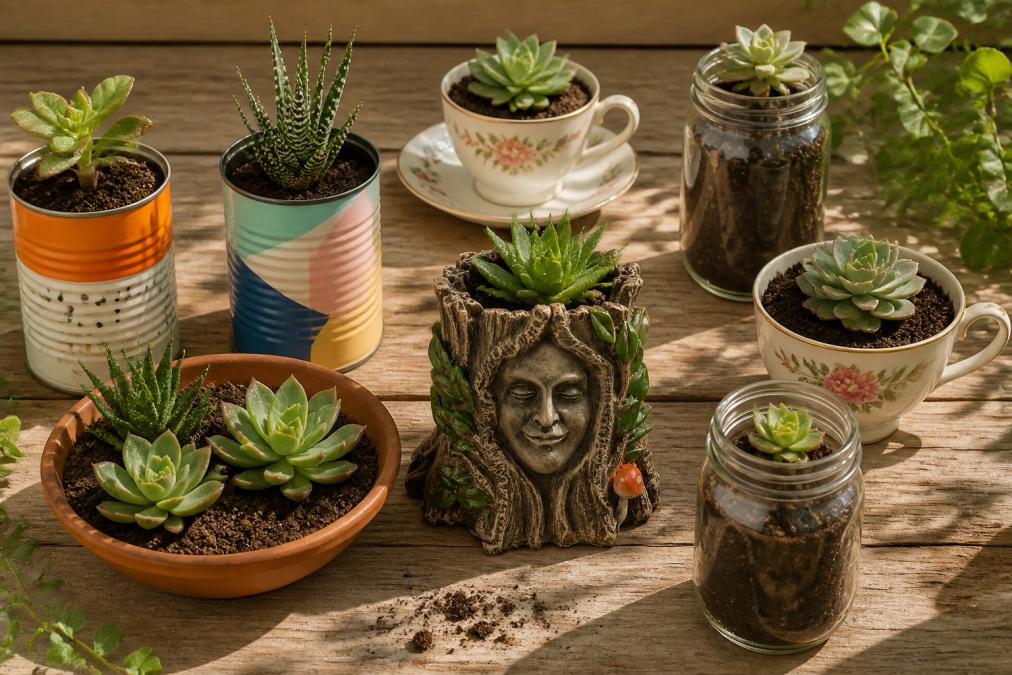
Common household items that work as plant containers include:
- Tin cans and metal containers: Lightweight, durable, and excellent for drainage once holes are drilled in the base.
- Ceramic cups and bowls: Attractive and heat-resistant, though you'll need to drill drainage holes carefully to avoid cracking.
- Glass jars and bottles: Visually interesting for water propagation or semi-aquatic plants, though drainage is limited without modification.
- Wooden boxes and crates: Rustic appeal and good drainage, though untreated wood will eventually rot.
- Plastic food containers: Repurpose takeaway containers, yoghurt pots, or milk jugs by drilling drainage holes.
The environmental benefit is immediate: you're diverting items from waste streams and eliminating the need to manufacture new containers.
DIY Upcycled Containers: Step-by-Step
Creating functional plant containers from household items is straightforward:
Step 1: Select Your Container Choose any item that can hold soil and won't leach harmful chemicals. Glass, ceramic, metal, and untreated wood are safest.
Step 2: Create Drainage Holes Use a drill with a small bit to create 3-5 holes in the base of your container. For glass or ceramic, use a glass-cutting bit and work slowly to avoid cracking.
Step 3: Add a Drainage Layer Place 2-3 cm of gravel, broken pottery shards, or perlite at the bottom. This prevents soil from blocking drainage holes.
Step 4: Fill with Potting Mix Use quality potting compost rather than garden soil. Fill to within 2-3 cm of the rim, leaving space for watering.
Step 5: Plant and Water Add your plant or seedling, backfill with additional potting mix, and water thoroughly.
Reusable and Long-Term Sustainable Options
Beyond single-use biodegradable pots and traditional terracotta, several reusable container systems are designed for long-term gardening. These options prioritise durability and multiple seasons of use, reducing the total number of containers needed over a gardening lifetime.
Ceramic plant pots represent the premium end of the reusable spectrum. High-quality ceramic is fired at higher temperatures than terracotta, making it stronger, less porous, and more weather-resistant. Ceramic pots retain moisture longer than terracotta, making them suitable for a broader range of plants. The trade-off is cost.

Recycled plastic pots are worth considering despite their plastic construction. Many manufacturers now produce containers from post-consumer waste, diverting plastic from landfills. These pots are lightweight, durable, and require minimal maintenance. They'll serve reliably for 5-10 years, and when they finally fail, they can be recycled again.
Fabric growing containers represent an emerging category gaining popularity among serious gardeners. Made from breathable, recycled materials, fabric pots allow air pruning of roots, preventing the circling root pattern common in plastic pots. This results in healthier root systems and stronger plants. The downside is that they dry out quickly, requiring more frequent watering in hot climates.
For those seeking ultimate sustainability, invest in a smaller number of high-quality, long-lasting containers rather than accumulating many disposable options.
Comparing Cost and Environmental Impact Over 5 Years
Understanding the true cost of different container options requires looking beyond the initial purchase price. A container's environmental impact depends on its lifespan, how often you replace it, and the energy required to manufacture and transport it.
| Container Type | Expected Lifespan | Replacements in 5 Years | Environmental Impact |
|---|---|---|---|
| Plastic pots | 3-5 years | 1-2 | High (persistent waste) |
| Biodegradable (coir) | 1 season | 5 | Very low (fully compostable) |
| Terracotta | 20+ years | 0 | Low (durable, recyclable) |
| Ceramic | 20+ years | 0 | Low (durable, recyclable) |
| Recycled plastic | 7-10 years | 0-1 | Low to moderate (recyclable) |
| Upcycled household items | Variable | 0-2 | Very low (zero waste) |
The data reveals an important pattern: the cheapest option upfront often becomes expensive over time when replacement costs are factored in. Plastic pots require replacement every few years, accumulating cost and waste. Terracotta and ceramic require a higher initial investment but eliminate replacement costs for decades.
For budget-conscious gardeners, upcycled household containers offer the best combination of cost and environmental benefit. For those prioritising convenience and aesthetics, recycled plastic or ceramic pots provide a sustainable middle ground. For maximum environmental benefit over a long timeline, terracotta's durability makes it the clear winner despite its weight and fragility.
Plant-Specific Suitability and Disposal Instructions
Not all eco-friendly alternatives work equally well for every plant. Understanding which containers suit which plants ensures both aesthetic success and healthy growth.
Succulents and cacti thrive in terracotta or coir-based pots because of their excellent drainage. Moisture-loving plants such as ferns, peace lilies, and begonias perform better in ceramic or recycled plastic pots that retain water longer. Seedlings and young plants benefit from biodegradable pots, which can be planted directly into the ground without transplant shock. Large permanent plantings deserve terracotta or ceramic pots that will last as long as the plant itself. Hanging displays should use lightweight options: fabric pots, recycled plastic, or upcycled containers.

Disposal Instructions for Each Container Type
Biodegradable pots (coir, bamboo fibre, peat-free): Add directly to garden compost or bury in soil. They'll decompose within 6-12 months. Commercial composting facilities accept these pots readily.
Terracotta and ceramic pots: These are not biodegradable, but they're infinitely recyclable. Broken pots can be crushed and used as drainage material in new containers, or donated to community gardens.
Recycled plastic pots: These can typically be recycled through standard plastic recycling programmes. Check the recycling symbol on the base.
Upcycled household containers: Return them to their original purpose or pass them to someone else. Glass jars can be recycled, metal cans can enter metal recycling, and ceramic items can be donated or repurposed again.
Conclusion
The shift toward eco-friendly alternatives to plastic plant pots reflects a broader commitment to gardening practices that respect both plants and the environment. Whether you choose fully compostable coir pots, durable terracotta, repurposed household items, or high-quality ceramic depends on your specific needs, budget, and values.
The best eco-friendly alternative is the one you'll actually use and enjoy for years to come. Start with what aligns with your gardening style, and remember that even small choices, choosing terracotta over plastic, or repurposing household items, contribute meaningfully to reducing waste and protecting the environment for future gardeners.
Frequently Asked Questions
What can I use instead of plastic plant pots?
Excellent alternatives include terracotta, ceramic, bamboo fibre, coir-based containers, and biodegradable pots made from natural materials. You can also repurpose household items like ceramic cups, tin cans (with drainage holes), wooden boxes, or glass jars. Each option offers different benefits: terracotta provides superior drainage and breathability, whilst biodegradable pots break down safely in compost. Upcycled containers are free and reduce waste, making them ideal for seedlings or temporary plantings.
Are biodegradable plant pots suitable for long-term use?
Biodegradable plant pots work best for seedlings and short-term growing cycles (3-6 months) because they're designed to break down. For permanent houseplants or perennials, reusable options like terracotta, ceramic, or durable ceramic alternatives are better. However, if you're starting seeds or growing annuals, biodegradable pots eliminate transplanting stress since roots can grow directly through the pot into soil. Check the manufacturer's specifications for expected lifespan, typically 6-12 months depending on moisture and soil conditions.
Do plastic plant pots leach microplastics into soil?
Research suggests that degrading plastic pots can release microplastics, particularly when exposed to UV light and temperature fluctuations. This is especially concerning in outdoor settings. Switching to eco-friendly alternatives eliminates this risk entirely. Terracotta and ceramic pots are inert and won't leach harmful substances. Biodegradable options made from natural materials like coir and bamboo fibre break down harmlessly. For plant health and soil integrity, choosing plastic-free containers is the safest approach for long-term gardening.
How do I know which eco-friendly pot is best for my plant?
Consider your plant's moisture needs and growth cycle. Succulents and cacti thrive in terracotta because of its porous nature and excellent drainage. Leafy houseplants prefer ceramic or reusable plastic alternatives that retain moisture slightly longer. Seedlings and annuals suit biodegradable or coir pots since they're temporary. Check the pot's drainage holes and size, roots need space without excess soil that stays waterlogged. Larger plants need sturdy, durable containers like terracotta or ceramic; smaller plants work well in lightweight coir or bamboo fibre options.
What's the environmental impact of different pot materials over 5 years?
Terracotta and ceramic pots last decades with minimal environmental cost once manufactured, making them excellent long-term investments. Biodegradable pots eliminate waste but require industrial composting facilities to break down properly; home composting may take years. Upcycled household items have zero environmental impact since they're repurposed waste. Single-use plastic pots create lasting pollution. Bamboo fibre and coir pots are renewable but require processing. Over 5 years, terracotta and ceramic offer the best balance of durability and sustainability, whilst biodegradable options suit temporary plantings.
This article was written using GrandRanker