
Benefits of Decorative Indoor Plant Pots

Table of Contents
- Why Decorative Indoor Plant Pots Matter
- Aesthetic Plant Pots for Indoor Plants Transform Your Space
- Best Materials for Indoor Plant Pots and Plant Health
- Benefits of Drainage Holes in Plant Pots
- Protecting Your Home from Water Damage
- Stability and Support for Houseplants
- Decorative Indoor Plant Pots and Wellbeing
- Nursery Pots vs. Decorative Pots: Why the Upgrade Matters
Why Decorative Indoor Plant Pots Matter
Decorative indoor plant pots do far more than hold soil and roots. They're the difference between a houseplant sitting in a drab nursery container and one that becomes a statement piece in your home. When you choose the right decorative indoor plant pots, you're investing in both the health of your plants and the visual transformation of your living space. At Quirky Turkey Gifts, we understand that plant lovers want their greenery to look as good as it makes them feel, and the right pot makes all the difference.
The nursery pot your plant arrives in serves a function: drainage, moisture control, basic structure. But it's rarely beautiful. That's where decorative pots enter the picture. They protect your furniture from water damage, support top-heavy foliage, and create focal points that tie a room together. Beyond aesthetics, the materials you choose, terra cotta, ceramic, or plastic, directly affect your plant's root health and how often you'll need to water.
This guide covers everything you need to know about choosing and using decorative indoor plant pots effectively. We'll explore how material choice impacts plant care, why drainage matters more than most people realise, and how the right pot can actually improve your home's air quality and wellbeing. Whether you're upgrading a single plant or redesigning an entire corner, understanding these benefits helps you make choices that work for both your plants and your space.
Aesthetic Plant Pots for Indoor Plants Transform Your Space
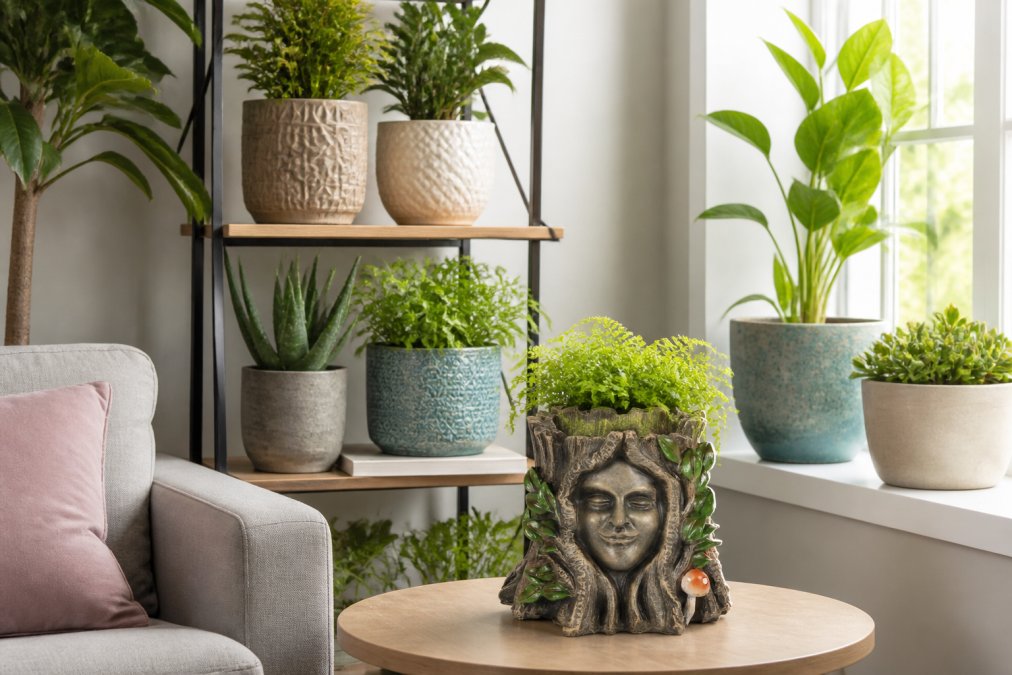
Your living room, bedroom, or office tells a story through its design choices. Decorative plant pots are one of the most underrated ways to tell that story because they sit at the intersection of nature and interior design. A well-chosen pot doesn't just house a plant, it anchors a room's colour palette, introduces texture, and creates visual rhythm across your shelves and windowsills.
Colour and Texture as Design Elements
Colour is perhaps the most immediate visual impact of any pot. A muted sage-green ceramic pot like The Green Goddess Plant Pot (£20.89) creates calm and pairs beautifully with nearly any foliage. Bright terracotta introduces warmth. Matte black adds contemporary edge. The key is matching your pot's colour to the mood you want in that space, not just to the plant itself.

Texture works alongside colour to create depth. A smooth ceramic pot feels modern and polished. Rough terracotta has an earthy, lived-in quality. Glossy finishes reflect light and draw the eye. Matte finishes feel grounded and intimate. When you layer different textures, perhaps a smooth ceramic pot next to a woven basket-style planter, you create visual interest that a single plant in a single pot could never achieve.
The psychological impact of these choices matters more than many people realise. Homes filled with warm terracotta and natural textures feel inviting and organic. Spaces with sleek ceramic and matte finishes feel intentional and curated. Your choice of decorative indoor plant pots influences how visitors perceive your home and, more importantly, how you feel living in it.
Creating Focal Points in Your Home
A single plant in a decorative pot can anchor an entire corner. Place a statement pot like the Floral Welly Boot Planter (£13.99) on a windowsill and it becomes the first thing your eye lands on when you enter the room. This is focal point design, using a single object to draw attention and create visual hierarchy.
Multiple pots arranged together create even stronger focal points. A shelf displaying three or four decorative pots of varying heights, colours, and textures becomes a curated display that suggests intention and care. The eye moves across it, pausing at each pot, creating a sense of movement within a static space.
This matters because focal points guide how people experience a room. Without them, spaces feel flat and undirected. With them, rooms feel designed and purposeful. Decorative indoor plant pots give you an affordable, living way to create those focal points, one that changes subtly as your plants grow and seasons shift.
Best Materials for Indoor Plant Pots and Plant Health
The material of your pot affects three critical factors: how quickly moisture evaporates, how much weight it can support, and how it ages over time. Understanding these differences helps you choose pots that keep your plants healthy while looking the way you want them to.
Terra Cotta: Breathability and Root Development
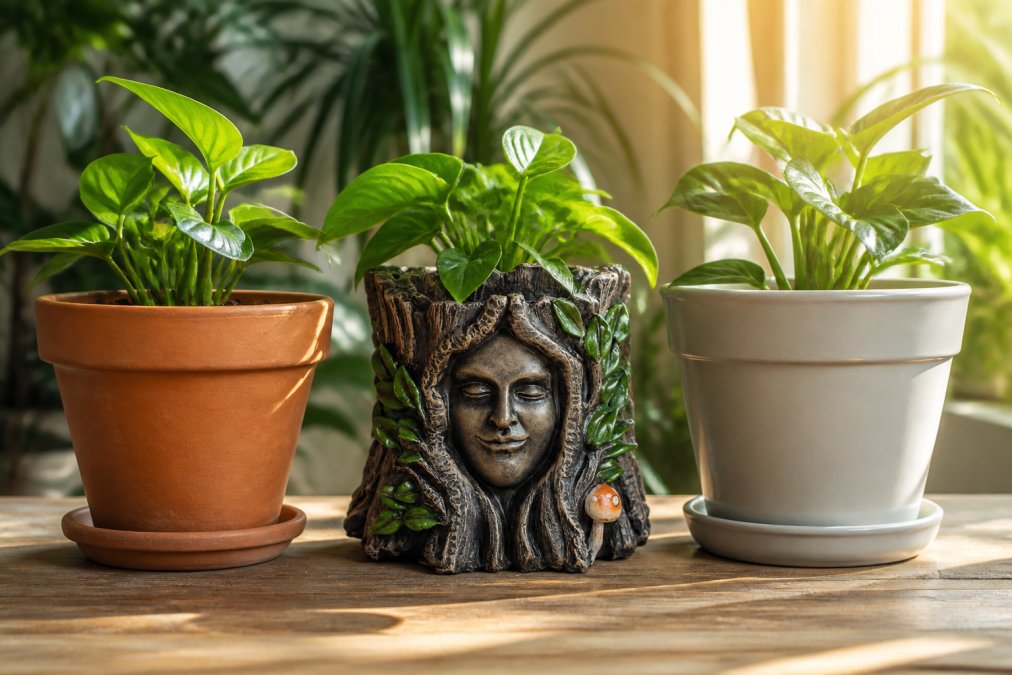
Terra cotta is porous. Water evaporates through the sides of the pot, not just the top. This makes terra cotta ideal for plants that prefer drier conditions, succulents, cacti, and some herbs thrive in terra cotta because the material naturally prevents moisture from accumulating around roots.
The downside is frequency. Terra cotta dries out quickly, which means you'll water more often. In dry climates or heated homes, you might be watering every few days. For busy plant parents or those prone to overwatering, this constant drying can feel like a burden. Terra cotta also chips and breaks more easily than ceramic or plastic, and it's heavier than plastic, making it less practical for hanging planters or tall shelves.
The Face Hanging Planter in Matte Pink and Matte Black (£8.79) demonstrates how terra cotta can work beautifully in a modern aesthetic while maintaining the breathability that supports root health. Its terracotta construction keeps trailing plants from sitting in soggy soil, which is exactly what those plants need.

Ceramic: Balance and Durability
Ceramic pots offer a middle ground. They're less porous than terra cotta, so they retain moisture longer, but they're not completely sealed like plastic. This balance makes them forgiving for most houseplants. They're also more durable than terra cotta, they don't chip as easily and they last for years without degrading.
Ceramic comes in endless colours and finishes, which is why it dominates the decorative pot market. The Wildflower Ceramic Plant Pot (£8.99), inspired by British wildflower varieties, shows how ceramic lets designers create intricate, detailed finishes that would be impossible in terra cotta. You get both beauty and functionality.
The trade-off is weight and cost. Ceramic is heavier than plastic, which matters if you're hanging pots or moving them frequently. It's also more expensive per pot. But the durability and aesthetic range often justify the investment, especially for plants you plan to keep long-term.
Plastic: Lightweight and Moisture Retention
Plastic pots are the practical choice. They're lightweight, durable, affordable, and they retain moisture well. For plants that prefer consistent moisture, ferns, peace lilies, and many tropical houseplants, plastic pots excel because they don't dry out as quickly as terra cotta or ceramic.
The drawback is aesthetics and environmental impact. Most plastic pots look cheap. They also degrade over time, becoming brittle in sunlight. And there's the sustainability question: plastic pots end up in landfills, whereas terra cotta and ceramic eventually biodegrade or can be recycled.
Many plant lovers use plastic pots as the functional "nursery pot" inside a decorative ceramic or terra cotta pot, a practice called double-potting. This solves the aesthetic problem while maintaining the moisture control of plastic. It also protects your furniture from water damage, since the inner plastic pot contains any excess water.
Benefits of Drainage Holes in Plant Pots
Drainage holes are non-negotiable for plant health. They allow excess water to escape, preventing root rot, which is the leading cause of houseplant death (peer-reviewed research). When water sits in soil without anywhere to go, roots suffocate and decay begins. Drainage holes solve this in one simple feature.
The challenge is that many decorative pots don't have drainage holes. Designers prioritise aesthetics over function. This is where the double-potting method becomes essential: place a draining nursery pot inside a decorative pot without drainage. Water drains from the inner pot, and you simply empty the outer pot after watering.
Some decorative pots do include drainage holes, look for them when shopping. The Hydrating Hettie Self Watering Plant Pot (£14.99) combines drainage functionality with a decorative gnome design, proving that beautiful and practical aren't mutually exclusive. When you find a decorative pot with drainage holes, it's a genuine advantage worth paying for.
Protecting Your Home from Water Damage
Water damage is invisible until it's expensive. A pot without drainage sitting on a wooden shelf will eventually cause the wood to stain, swell, and rot. Water seeping through a pot onto carpet creates mould and mildew (the CDC). Damage to furniture and flooring from plant water often costs hundreds of pounds to repair.
Decorative pots with proper drainage, or the double-potting setup, protect your investment in your home. The inner pot catches water, and the outer decorative pot remains dry. Saucers under pots add another layer of protection, catching drips before they reach your floor or furniture.
This is especially important for valuable pieces: wooden side tables, antique shelves, or carpeted areas. The cost of a good decorative pot (£8-£21) is negligible compared to the cost of repairing water-damaged furniture. Many plant lovers learn this lesson the hard way. The right pot setup prevents the problem entirely.
Stability and Support for Houseplants
Top-heavy plants, monstera, fiddle leaf figs, bird of paradise, need stable pots. A lightweight plastic pot with a narrow base will tip over when your plant grows tall and develops substantial foliage. A heavy ceramic or terra cotta pot with a wide, weighted base provides the stability these plants need.
The relationship between pot weight and plant health is direct. An unstable pot causes the plant to shift and move with every breeze or touch, stressing the root system. A stable pot keeps roots undisturbed, supporting steady growth. For large houseplants, weight and base width matter more than aesthetics.

This is where material choice becomes functional rather than purely visual. Terra cotta's weight is actually an advantage for large plants. Ceramic pots, while lighter than terra cotta, still provide more stability than plastic. If you're growing substantial houseplants, choosing heavier decorative pots isn't a compromise, it's the right choice for plant health.
Decorative Indoor Plant Pots and Wellbeing
Plants improve air quality by absorbing carbon dioxide and releasing oxygen (nasa.gov). They reduce stress, improve focus, and create a sense of calm in any space. But those benefits multiply when your plants are displayed in pots that make you genuinely happy to look at.
A plant in a drab nursery pot becomes background. A plant in a beautiful, thoughtfully chosen decorative pot becomes something you notice and appreciate every day. That daily appreciation, that moment of noticing colour, texture, or a plant's growth, contributes to your wellbeing in ways that are hard to quantify but easy to feel.
This is why the psychological impact of decorative indoor plant pots matters. Your home environment shapes your mental state. When you're surrounded by beauty and intention, you feel better. When your plants are displayed in pots that reflect your style and taste, they become part of your home's story rather than an afterthought.
The Plant Mum Planter with Dangling Legs and Blue Shoes (£7.95) is a perfect example. It's functional, it holds a plant and drains properly. But it's also joyful. That dangling leg, that cheerful expression, that splash of colour, these details create a moment of happiness every time you see it. That's the real benefit of decorative pots: they transform the act of plant care into something that brings genuine joy.
Nursery Pots vs. Decorative Pots: Why the Upgrade Matters
The nursery pot your plant arrives in is designed for one purpose: getting the plant from the grower to you. It's functional, cheap, and often ugly. It has drainage holes (usually), but that's where its benefits end. The plastic is thin, the colour is institutional, and it doesn't belong in your home long-term.
Upgrading to a decorative pot is an investment in three things: aesthetics, functionality, and longevity. A quality decorative pot will outlast multiple plants. You'll repot new plants into it as old ones finish their lifecycle. Over years, that investment becomes cost-effective.
The upgrade also changes how you relate to your plants. Moving a plant from a nursery pot to a beautiful decorative pot is a ritual, a moment of intention where you're saying, "This plant matters enough to be displayed properly." That shift in mindset often leads to better plant care. People tend to care for things they've invested in and that they see displayed proudly.
For gifts, the difference is even more striking. A plant in a nursery pot is a generic present. The same plant in a quirky, beautiful decorative pot becomes a thoughtful, personalised gift. It shows that you've considered not just the plant, but how it will fit into someone's home and life.
| Material | Moisture Retention | Durability | Weight | Best For |
|---|---|---|---|---|
| Terra Cotta | Low (dries quickly) | Moderate (chips easily) | Heavy | Succulents, cacti, herbs |
| Ceramic | Medium (balanced) | High (long-lasting) | Medium | Most houseplants |
| Plastic | High (retains moisture) | High (UV degradation) | Light | Ferns, tropical plants |
Choosing decorative indoor plant pots isn't about vanity. It's about creating a home where plants thrive visually and physically, where you notice and appreciate the life you're growing, and where every corner reflects intention. Whether you're drawn to the elegant simplicity of The Green Goddess Plant Pot, the whimsical charm of character planters like Hettie the Hedgehog Planter Bowl (£7.99), or the practical innovation of self-watering designs like Hydrating Herbert (£14.99), the right pot transforms both your plant and your space. Start with one beautiful pot that speaks to you, and let it guide your home's growing green aesthetic.
Frequently Asked Questions
Q: What are the main benefits of using decorative indoor plant pots instead of basic nursery pots?
A: Decorative indoor plant pots elevate your space aesthetically whilst supporting plant health when they feature proper drainage. They add personality through colour and texture, create visual focal points in rooms, and protect your furniture and floors from water damage. Unlike plain nursery pots, decorative options work as part of your interior design scheme, turning houseplants into intentional décor elements rather than afterthoughts. Quality materials like ceramic and terra cotta also provide better moisture regulation for root health.
Q: Do decorative pots with drainage holes really make a difference for plant health?
A: Yes, significantly. Drainage holes prevent root rot by allowing excess water to escape, which is essential for most houseplants. Without proper drainage, water pools around roots, suffocating them and encouraging fungal growth. The benefits of drainage holes in plant pots include maintaining consistent moisture levels, improving air circulation to the root system, and reducing the risk of overwatering damage. This is why pairing decorative pots with saucers or using a nursery pot inside a decorative cachepot is a smart strategy.
Q: Which material is best for indoor plant pots: terra cotta, ceramic, or plastic?
A: Each material has strengths. Terra cotta is porous and breathable, ideal for plants preferring drier conditions, but breaks easily and dries quickly. Ceramic offers durability and moisture control, making it versatile for most houseplants, and provides excellent aesthetic appeal. Plastic is lightweight, affordable, and retains moisture well, suiting busy plant parents. The best choice depends on your plant type, home décor style, and maintenance habits. Many plant enthusiasts use a combination of materials across their collection.
Q: Can you plant directly into a decorative pot without a nursery pot inside?
A: You can, but it requires caution. Decorative pots without drainage holes risk waterlogging roots. If your decorative pot has drainage holes, planting directly is fine, just use a saucer underneath. Many plant lovers prefer using a nursery pot inside a decorative cachepot instead. This approach protects the decorative pot from water damage, allows easy repotting, and lets you move plants between decorative pots seasonally. It's especially useful for valuable or vintage decorative pots.
This article was written using GrandRanker