
Aesthetic Plant Pots for Indoor Plants: A 2026 Guide

Table of Contents
- What Makes Aesthetic Plant Pots Stand Out
- Quick Comparison: Plant Pot Materials and Styles
- How to Choose a Plant Pot Size for Your Houseplants
- Indoor Plant Pot Drainage Tips and Root Health
- Decorative Styles: From Minimalist to Boho
- Ceramic vs. Terracotta vs. Plastic: Which Works Best
- Quirky Turkey's Top Aesthetic Plant Pots for 2026
- Conclusion
Last Updated: August 7, 2026
What Makes Aesthetic Plant Pots Stand Out
Aesthetic plant pots are design statements that transform how houseplants integrate into living spaces. The difference between a basic terracotta pot and a carefully chosen aesthetic plant pot lies in intentionality: one holds soil, the other tells a story about the space and the person inhabiting it.
A striking pot must complement your décor without overwhelming the plant, handle moisture properly so roots stay healthy, and feel like it belongs in your home.
Quick Comparison: Plant Pot Materials and Styles
| Material | Best For | Drainage | Moisture Retention | Durability | Aesthetic Range |
|---|---|---|---|---|---|
| Ceramic | Most indoor plants | Excellent (glazed) | Moderate | High | Very wide |
| Terracotta | Succulents, cacti | Excellent | Low | Medium | Rustic, warm |
| Plastic | Budget-conscious, beginners | Variable | High | Medium | Limited |
| Concrete/Stone | Statement pieces | Good | Moderate | Very high | Modern, minimal |
| Wool (biodegradable) | Eco-conscious growers | Good | Moderate | Breaks down naturally | Rustic, natural |
The material you choose shapes everything: how often you'll water, how long the pot lasts, and whether it'll look good in your space. Ceramic dominates for indoor plants because glazed ceramic holds moisture longer whilst unglazed ceramic breathes more like terracotta. Terracotta is brilliant for plants that hate sitting in wet soil, but it dries out quickly and can look out of place in modern minimalist rooms.
Plastic is lightweight, affordable, and practical for renters or frequent movers. Concrete and cast stone planters command attention as investment pieces. If sustainability matters, wool pots from brands like [EXTERNAL_LINK: Wool Pots | woolpots.co.uk] are innovative, breaking down into natural plant food whilst improving moisture retention by up to 30%.
How to Choose a Plant Pot Size for Your Houseplants
Getting the size right is crucial. Too small and roots become cramped; too large and soil stays wet too long, inviting root rot. Choose a pot that's 2.5-5 cm larger in diameter than the plant's current root ball.
For large floor plants like monsteras or fiddle leaf figs, measure the width of the existing pot and add 5 cm. For smaller plants like pothos or succulents, add just 2.5 cm. A pot that's too large holds excess moisture the roots won't reach in time, leading to soggy soil and fungal issues. A pot that's too small constrains growth.
Height matters too. Plants with shallow root systems (succulents, snake plants) do fine in wider, shallower pots. Deep-rooted plants like peace lilies prefer taller containers. Look at the plant's natural growth pattern and match the pot shape accordingly.
Indoor Plant Pot Drainage Tips and Root Health
Drainage is non-negotiable. A beautiful pot without drainage holes is a trap that leads to root rot. The ideal setup includes three elements: drainage holes in the bottom, a saucer underneath to catch water, and a potting medium that drains well.

If you fall in love with a pot lacking drainage holes, use it as a cachepot and place a draining pot inside it. Alternatively, carefully drill a hole in the bottom using a ceramic drill bit, though this risks cracking decorative pots.
Water pooling in the saucer is normal, but the pot shouldn't sit in standing water for more than a few hours. Empty the saucer after watering to prevent roots from absorbing too much moisture and to keep oxygen flowing to the root zone.
For indoor plants, the right potting mix matters. Standard multipurpose compost retains too much moisture for large pots. Mix in perlite or orchid bark to improve drainage, a ratio of 70% compost to 30% perlite works for most houseplants. Succulents and cacti need grittier mixes: 50% compost, 50% grit or sand.
Research on potting media and root health shows that proper drainage reduces fungal infections by up to 40%, making this investment genuinely worthwhile.
Decorative Styles: From Minimalist to Boho
The aesthetic you choose shapes how your entire room feels. Minimalist ceramic pots in white, grey, or black create calm, sophisticated spaces. Boho styles embrace pattern, colour, and texture, think terracotta with hand-painted designs, macramé hangers, and statement-making shapes.
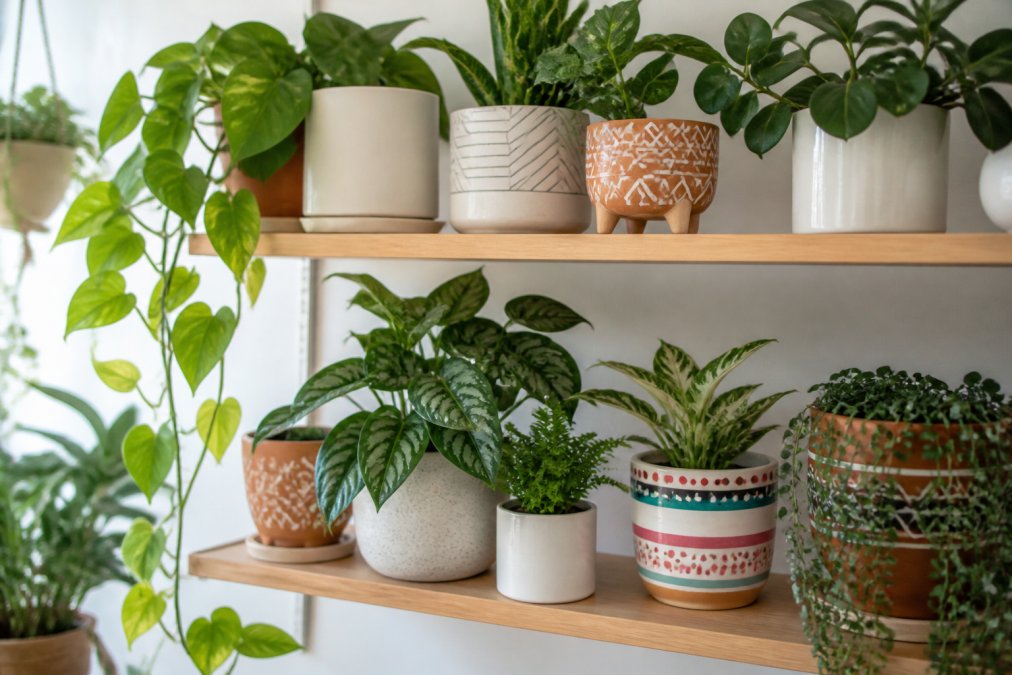
Minimalist design works best with a few large statement plants. A single monstera in a sleek concrete pot becomes architecture. Boho embraces abundance, mismatched pots in different heights, colours, and materials create visual interest. Modern industrial blends both, with concrete, steel, or matte black ceramic in geometric shapes.

The key is asking: what feeling do I want this room to have? Calm and ordered (minimalist), warm and eclectic (boho), or clean and contemporary (modern). Then choose pots that reinforce that mood.
Ceramic vs. Terracotta vs. Plastic: Which Works Best
Ceramic is the Goldilocks option. It's durable, available in endless designs, and strikes a balance between moisture retention and breathability. Glazed ceramic holds water longer, ideal for plants preferring consistent moisture. Unglazed ceramic breathes more, suiting plants that like drying out. Ceramic is heavier than plastic and can chip if dropped.
Terracotta is brilliant for succulents, cacti, and any plant that despises sitting in moisture. Its porosity means water evaporates from all sides. It's affordable and genuinely beautiful, though it dries out quickly and requires more frequent watering. It's also fragile and heavy.
Plastic is lightweight, affordable, virtually unbreakable, and comes in every colour imaginable. It's perfect for renters, frequent movers, or anyone on a tight budget. It retains moisture longer than terracotta, so you water less often. The downside is purely aesthetic, most plastic pots look cheap. Use plastic pots inside cachepots and you solve the visual problem entirely.
For most indoor plant lovers, ceramic wins. It's durable, beautiful, and forgiving. Terracotta is perfect if you have the watering discipline and love the aesthetic. Plastic is your friend if practicality matters more than looks.
Quirky Turkey's Top Aesthetic Plant Pots for 2026
1. Hydrating Herbert Self-Watering Plant Pot, Best for Forgetful Plant Parents
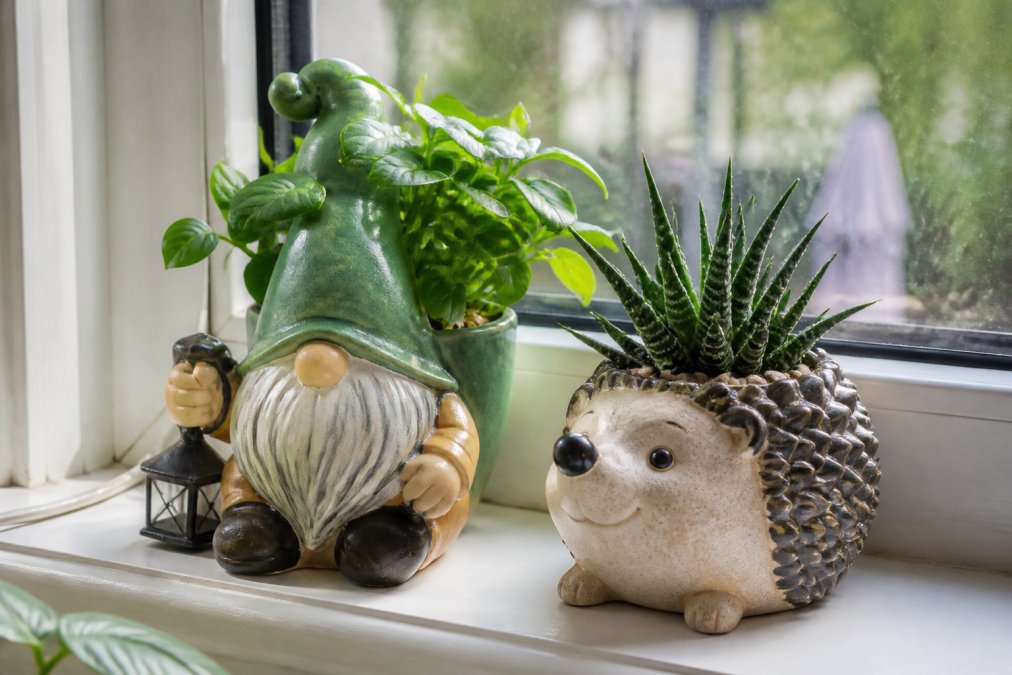
Hydrating Herbert is a self-watering gnome planter that solves the most common plant problem: irregular watering. The built-in water reservoir means your plant stays hydrated even if you forget for a week. The gnome design has character without being saccharine, quirky enough to be a conversation starter yet refined enough for modern living rooms.
Self-watering pots work best with plants that like consistent moisture: pothos, philodendrons, peace lilies, and calatheas. They're overkill for succulents or cacti, which would rot.
2. Wildflower Ceramic Plant Pot, Best for Minimalist Spaces
This ceramic pot draws inspiration from British wildflowers, offering subtle botanical detail without being loud. The refined design makes the pot feel intentional rather than generic. Ceramic suits a wider range of plants than terracotta, with moderate moisture retention making it forgiving for plants that like consistent soil.

The wildflower design appeals to plant lovers who want their pots to reflect nature without screaming for attention. It pairs beautifully with trailing plants like pothos or string of pearls.
3. Face Hanging Planter in Matte Pink and Matte Black, Best for Statement Walls
This hanging planter is pure personality. The face design is modern and slightly surreal, quirky without being childish. Matte finishes feel contemporary, not novelty.
Hanging planters use vertical space, crucial in smaller rooms. This one works best with trailing plants like pothos, string of pearls, or hoya. The ceramic construction is durable, and the matte finish hides dust better than glossy alternatives.
4. Plant Mum Planter with Dangling Legs and Blue Shoes, Best for Plant Parents Who Have a Sense of Humour
This planter is unabashedly fun, with dangling legs and blue shoes making it instantly recognisable. It works in spaces that embrace personality over polish. The dolomite construction is sturdy, and the design is clever enough to feel like a genuine gift.
Best for small to medium plants, the planter's visual weight means it works best with plants that don't dwarf it. Succulents, small pothos, or trailing string of pearls look proportionate.
5. The Green Goddess Plant Pot, Best for Statement Floor Plants
This sculptural design elevates it beyond "planter" into "furniture." It's the pot you choose when you want your plant to be a focal point. The Green Goddess works best with large, architectural plants like monsteras, fiddle leaf figs, or bird of paradise. The pot's visual weight matches the plant's presence, creating balance.
Ceramic construction means it's durable, though the larger size makes it heavy. This isn't a pot you'll move around frequently, which is fine, statement pieces anchor a space.
6. Hettie the Hedgehog Planter Bowl, Best for Shelf Styling
Hettie brings woodland charm without being overly themed. The hedgehog design is warm and approachable, and the woodland colours suit most décor.
This works brilliantly as part of a shelf arrangement. One hedgehog alone is cute; three at varying heights becomes a styled display. Best for small plants and succulents, the bowl shape suits shallow-rooted plants.
7. Hello Sunshine Plant Pot with 3D Sunflower, Best for Brightening Dark Corners
This ceramic pot with a 3D sunflower design brings brightness and optimism. The raised sunflower design adds texture, making it interesting from multiple angles.
This works in rooms that need visual warmth, bedrooms, bathrooms, or north-facing living rooms. The cheerful design lifts the mood without being saccharine. Pair it with a trailing plant like string of hearts, and the foliage softens the geometric sunflower.
8. Set of 4 Mini Garden Gnome Plant Pot Pals, Best for Creating a Fairy Garden Display
These mini gnomes are brilliant for creating a cohesive display. Each gnome has distinct character, so they work together as a collection rather than four identical pieces.
This set is perfect for small plants, succulents, or even air plants. Arrange them on a shelf, windowsill, or plant stand to create a miniature garden scene. The ceramic construction is sturdy enough for regular watering, and the small size makes them lightweight and easy to move around.
Conclusion
Choosing aesthetic plant pots is genuinely important, they're not just containers, they're part of how you live with plants. The best pot balances beauty with function: it drains properly, suits your plant's needs, and makes you happy every time you look at it.
Start by understanding your plant's watering preferences and your space's aesthetic. Measure before you buy. Invest in proper drainage. Then choose a pot that reflects who you are and what brings you joy.
The right aesthetic plant pot transforms how you experience your indoor plants. At Quirky Turkey Gifts, we've curated a collection of character-filled planters, from self-watering gnomes like Hydrating Herbert to sculptural statement pieces like The Green Goddess, designed to make plant care feel less like a chore and more like a joy. Visit Quirky Turkey Gifts and discover unique designs that bring personality to every corner of your home.
Frequently Asked Questions
How do I choose the right size pot for my indoor plant?
Measure your plant's root ball and select a pot that's 2.5-5 cm larger in diameter. For a monstera or fiddle leaf fig, you'll need a larger pot, typically 25-30cm, to accommodate the root system. Avoid oversizing; too much soil around roots traps moisture and causes root rot. A pot that's too small restricts growth. When repotting, the new container should allow room for 1-2 years of growth before the next repot.
Do aesthetic plant pots need drainage holes for indoor plants?
Yes. Drainage holes are essential for plant health, even in aesthetic pots. Without them, water pools at the root zone, causing root rot and fungal issues. If you love a pot without drainage, use it as a cachepot, place a draining pot inside it with a saucer underneath. Self-watering options like Hydrating Herbert (£14.99) solve this elegantly, combining aesthetics with built-in moisture control and drainage.
What's the difference between ceramic, terracotta, and plastic pots?
Ceramic is decorative and holds moisture well, suiting most houseplants. Terracotta is porous, allowing air circulation but drying soil faster, ideal for succulents. Plastic is lightweight and budget-friendly but retains moisture longer. For aesthetic indoor displays, ceramic wins on style. For beginners, self-watering ceramic planters like Hydrating Hettie (£14.99) offer the best balance of beauty and functionality, with built-in water reservoirs that keep plants hydrated.
Can I use a decorative pot without a drainage hole if I'm careful with watering?
It's risky. Even careful watering leads to moisture buildup over time. Instead, use a decorative pot as a cachepot, place your draining nursery pot inside it. This keeps roots healthy while maintaining the aesthetic you want. Alternatively, choose self-watering aesthetic pots that have drainage built in, so you get style without the guesswork.
Are quirky character planters suitable for large plants like monsteras?
Most character planters are designed for small to medium plants due to their decorative shape and size. Monsteras and fiddle leaf figs need larger, sturdier pots, typically 25-30cm diameter. Character pots work beautifully for trailing plants, small succulents, or as accent pieces on shelves. For statement floor plants, pair them with larger ceramic or minimalist designs that offer both durability and visual impact.
This article was written using GrandRanker


