
Unique Plant Pots for Indoor Plants: 7 Styles

Table of Contents
- Unique Plant Pots for Indoor Plants: 7 Styles
- 1. Ceramic and Terracotta Pots: Timeless Elegance
- 2. Novelty and Face Planters: Personality with Purpose
- 3. Character Planters: Quirky Designs That Make You Smile
- Best Materials for Indoor Plant Pots
- Indoor Plant Pot Drainage Tips
- How to Style Indoor Plants in Your Home
- Self-Watering Pots: Unique Solutions for Busy Plant Parents
- Quick Comparison: Unique Plant Pots at a Glance
- Real Customer Questions Answered
- Frequently Asked Questions
Last Updated: August 31, 2026
Unique Plant Pots for Indoor Plants: 7 Styles
A well-chosen planter transforms a simple houseplant into a statement piece that reflects your personality and complements your décor. The right pot combines aesthetics with function, drainage holes matter, material choices affect plant health, and a planter that makes you smile is worth the extra thought.
Below, we'll walk you through seven distinct pot styles, from timeless terracotta to novelty face planters, so you can choose what fits your space, your plants, and your sense of humour.
1. Ceramic and Terracotta Pots: Timeless Elegance
Ceramic and terracotta remain the gold standard for indoor gardening. These breathable materials have been trusted for centuries and suit nearly every aesthetic from minimalist to maximalist.
Terracotta's porous nature allows soil to dry evenly, which many plants prefer. Ceramic pots offer similar benefits with more colour and design flexibility. Both can be heavy and fragile, though ceramic chips less easily than terracotta.
The Green Goddess Plant Pot exemplifies why ceramic remains beloved. Draped in lush jade hues with artisan-crafted details, this pot transforms any trailing ivy or bold succulent into a focal point. Its sculptural silhouette works equally well on a shelf, windowsill, or side table. The glaze ensures durability, and the classic proportions suit both contemporary and vintage interiors.

2. Novelty and Face Planters: Personality with Purpose
Sometimes a pot should make you laugh. Novelty planters, especially face designs, turn your plant display into a conversation starter.
The Face Hanging Planter in matte pink and black features an abstract face with a rounded shape, ideal for trailing plants like string of pearls or pothos. Hang it on a wall or shelf edge, and suddenly your plant has character. The matte finish feels modern and understated despite the quirky concept.

Face planters work best in spaces where personality matters more than strict minimalism. Practical consideration: novelty pots often prioritise design over drainage. Always check for drainage holes before buying. If a planter lacks them, use it as a decorative cachepot (a pot within a pot) and place a draining pot inside, or add a layer of pebbles at the bottom and water more carefully.
3. Character Planters: Quirky Designs That Make You Smile
Character planters embody a personality or creature, sitting on your shelf with presence and charm.
Hettie the Hedgehog Planter Bowl brings woodland charm to any space. Made from dolomite with a sleepy expression and cosy woodland palette, Hettie works beautifully for small plants, cacti, or succulents. At just 12cm long and 7cm tall, she's perfectly proportioned for a windowsill. The clever bonus: she doubles as a sugar bowl, making her a versatile addition to kitchens and garden rooms.

The Plant Mum Planter with Dangling Legs and Blue Shoes is where character truly shines. This red-haired figure in a white T-shirt and blue jeans has legs that dangle playfully over a shelf edge. Standing 30cm tall, she makes a bold statement on floating shelves, desks, or sideboards. The Plant Mum Vase with Mini Planter combines character design with dual functionality, allowing you to create layered displays with flowers and foliage.
Character planters succeed because they create emotional connection. You're not just watering a plant; you're caring for a little friend. This matters, people emotionally attached to their pots tend to water more consistently and display their plants more proudly.
Best Materials for Indoor Plant Pots
Choosing the right material affects both plant health and longevity.
Ceramic and Glazed Pottery: Breathable yet retain moisture longer than terracotta. Glazed finishes resist staining and are easier to clean. They work for most houseplants and last indefinitely.
Terracotta: Highly porous and ideal for plants that prefer drying between waterings (succulents, cacti, snake plants). Affordable and ages beautifully, developing a patina over time. Fragile, though, chips and cracks are common.
Dolomite: A lighter alternative to ceramic, dolomite is durable and often used for decorative character planters. Less porous than terracotta but more forgiving than ceramic. Resists chipping better than terracotta.
Plastic: Lightweight and affordable, plastic retains moisture well, suiting plants that prefer consistent dampness. Doesn't age gracefully, it yellows and becomes brittle over time.
Concrete and Cement: Modern and architectural, concrete suits contemporary spaces. Heavy, porous, and excellent for drainage. May leach minerals initially; allow new concrete pots to weather for a few weeks before planting.
Metal: Decorative metal planters work best as cachepots. Metal conducts heat and can dry soil too quickly. Use them with a plastic or ceramic pot inside to protect roots.
| Material | Breathability | Moisture Retention | Durability | Best For | Weight |
|---|---|---|---|---|---|
| Ceramic | Moderate | High | Excellent | Most houseplants | Heavy |
| Terracotta | High | Low | Moderate | Succulents, cacti | Light |
| Dolomite | Moderate | Moderate | Good | Character designs | Light |
| Plastic | Low | High | Fair | Moisture-loving plants | Very light |
| Concrete | High | Moderate | Excellent | Modern aesthetics | Heavy |
Indoor Plant Pot Drainage Tips
Drainage is non-negotiable for healthy plants. Without it, roots sit in water, suffocate, and rot.
The Golden Rule: If a pot has no drainage hole, use it as a cachepot. Place a draining pot inside it, and water the inner pot. This way, you get the aesthetic you want without sacrificing plant health.
Adding Drainage to Solid Pots: If you're attached to a specific pot without drainage, drill a hole yourself using a ceramic drill bit. Wear safety glasses and go slowly; ceramic cracks easily.
Saucer Placement: Place pots on saucers to protect furniture. Empty saucers after watering; standing water leads to root rot.
Soil Composition Matters: Use well-draining potting mix, not garden soil. For succulents and cacti, add extra perlite or coarse sand. For moisture-loving plants like ferns, use a richer mix with more peat or coco coir.
Watering Technique: Water thoroughly until it drains from the bottom, then empty the saucer. This flushes salts and ensures roots get oxygen.
How to Style Indoor Plants in Your Home
Your pots are only half the story. How you arrange and display them transforms a collection of plants into a curated indoor garden.
Grouping by Height and Texture: Create visual interest by varying pot heights. Tall pots on the floor, medium pots on shelves, small pots on desks. Mix smooth finishes with textured ones.
Colour Coordination: Match pot colours to your wall or furniture palette, or use pots as accent colours. A jade-green pot works beautifully against neutral walls or warm wood tones.
Layering Displays: Use shelves, plant stands, and wall-mounted planters to create depth. A face planter hung at eye level becomes a focal point.
Windowsill Styling: Arrange pots so they don't block light to each other. Stagger heights, taller plants in the back, shorter ones in front.
Unexpected Placement: Move beyond shelves and windowsills. A character planter on a desk brings personality to work. A trailing plant in a hanging planter above a doorway softens architecture.
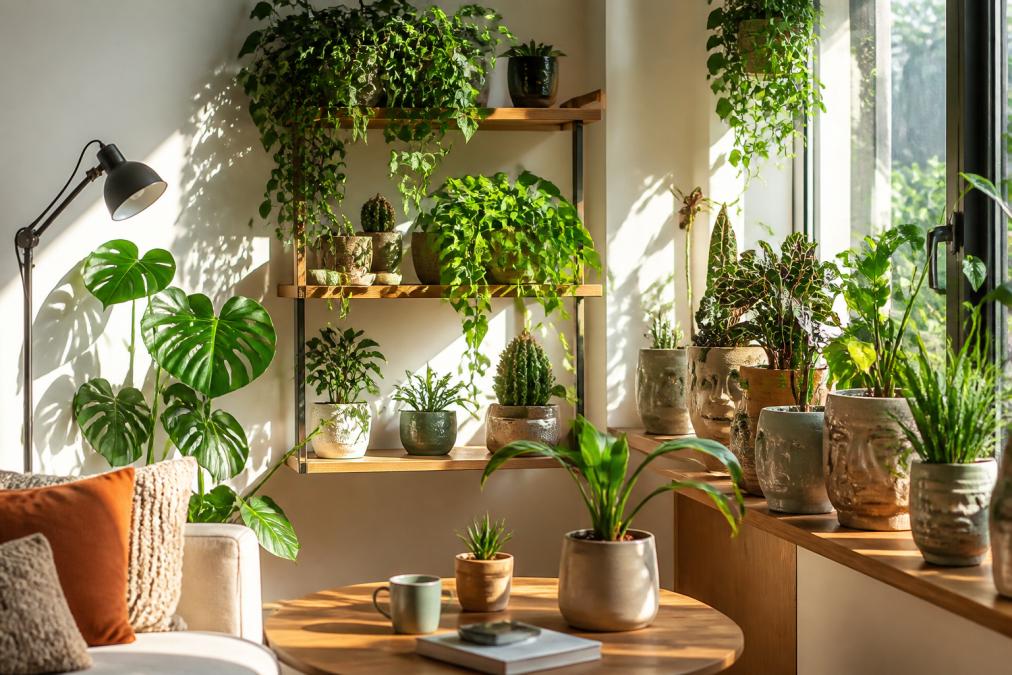
The Rule of Odd Numbers: Arrange plants in groups of three or five rather than pairs. Odd numbers feel more natural and intentional.
Self-Watering Pots: Unique Solutions for Busy Plant Parents
If you travel frequently, work long hours, or forget to water, self-watering pots are game-changers. These ingenious designs maintain consistent moisture without requiring daily attention.
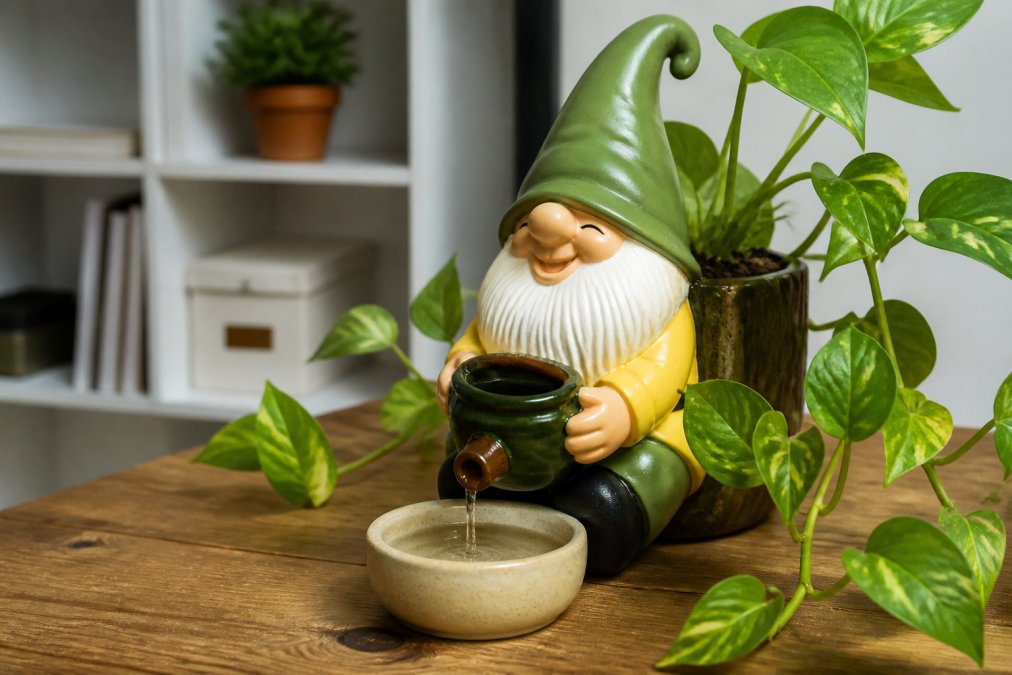
Hydrating Herbert Self Watering Plant Pot is a gnome-shaped planter standing 21cm tall with a built-in watering system. Herbert regulates moisture automatically, keeping roots hydrated without waterlogging. Perfect for busy homes, forgetful waterers, and anyone who's returned from holiday to find a wilting plant.
Hydrating Hettie Self Watering Plant Pot offers the same practical innovation in a female gnome design. Standing 21cm tall, Hettie brings personality and function together. Ideal for leafy houseplants, cacti, or succulents that prefer gentler, more consistent moisture.
How Self-Watering Systems Work: Most designs feature a reservoir beneath the soil. Soil wicks moisture from the reservoir as it dries, maintaining consistent hydration. You fill the reservoir every 1-2 weeks rather than watering daily.
Best For: Self-watering pots suit moisture-loving plants (ferns, peace lilies, calatheas) better than drought-tolerant succulents. Overwatering-prone plant parents benefit enormously.
Plant Life Support takes a different approach, an automatic waterer that works with any pot. This system includes a water bag, flow regulator, tube, and dripper that you insert into soil. Perfect for holidays or extended absences, it delivers water gradually over weeks.
Set of 4 Mini Garden Gnome Plant Pot Pals adds whimsy to any planter. These terracotta gnome decorations sit inside or atop pots, turning a simple planter into a miniature garden scene. Willy the Garden Worm Water Sensor solves a different problem, knowing when to water. Made from terracotta, Willy sits in soil and changes colour to indicate moisture levels. Dark means well-watered; light means it's time to water again.
Quick Comparison: Unique Plant Pots at a Glance
| Pot Style | Best For | Key Feature | Material |
|---|---|---|---|
| The Green Goddess | Statement pieces, elegant décor | Sculptural jade design | Ceramic |
| Hettie the Hedgehog | Small plants, windowsills | Dual-purpose (planter + sugar bowl) | Dolomite |
| Face Hanging Planter | Trailing plants, modern spaces | Abstract face design, wall-mounted | Terracotta |
| Plant Mum with Dangling Legs | Character-loving plant parents | Playful figure with dangling legs | Dolomite |
| Hydrating Herbert | Forgetful waterers, busy homes | Self-watering system | Dolomite |
| Hydrating Hettie | Consistent moisture lovers | Self-watering gnome design | Dolomite |
| Plant Mum Vase with Mini Planter | Layered displays, creative arrangements | Dual planter + vase function | Dolomite |
| Willy the Garden Worm | Watering guidance | Colour-changing moisture sensor | Terracotta |
| Mini Gnome Pot Pals (Set of 4) | Decorative accents, fairy gardens | Terracotta gnome figurines | Terracotta |
Choosing unique plant pots for indoor plants isn't just about function, it's about creating spaces that make you happy. Whether you prefer timeless ceramic elegance, quirky character designs, or innovative self-watering solutions, the right pot transforms how you relate to your plants and how your home feels.
At Quirky Turkey Gifts, we've handpicked each of these styles because they work. They're durable, beautiful, and bring genuine joy to plant lovers and home decorators. With over 100,000 satisfied customers and super-fast express delivery, we're here to help you find the perfect pot for every plant in your collection.
Start with one statement piece, then build from there. Your plants will thrive, your shelves will look stunning, and every time you walk past, you'll smile at the character and care you've invested in your indoor garden.
Real Customer Questions Answered
How do I know these pots will actually look good in my space? Character and novelty planters suit eclectic, playful interiors best. If your home is minimalist or formal, opt for classic ceramic designs like The Green Goddess. Match the pot's personality to your décor's energy. Neutral colours work in almost any space; bold colours should complement existing accent hues.
Will these pots actually fit my larger plants? Most character planters suit small to medium plants (under 30cm tall). The Green Goddess works beautifully for larger plants due to its generous proportions. For monstera or fiddle leaf figs, choose deeper ceramic pots at least 30cm in diameter. Character planters are ideal for succulents, small ferns, and trailing plants.
What's your return policy if a pot arrives damaged? We stand behind every product. If your pot arrives damaged or isn't what you expected, contact us within 14 days for a replacement or refund. We want you to love what you receive.
Can you guarantee express delivery by next Thursday? Our super-fast express delivery typically arrives within 2-3 working days. For next-Thursday delivery, order by Tuesday for best results. Check your order confirmation for the estimated delivery window.
Why are these pots worth the investment? Quality materials, unique designs, and durability justify the choice. Our character planters are made from durable dolomite, not cheap plastic. The Green Goddess is hand-crafted ceramic. Self-watering systems include functional innovation. You're investing in pots that last years, not months.
Are these one-off pieces, or do you stock them regularly? All our pots are in regular stock. We maintain consistent inventory so you can reorder favourites or gift them with confidence. If something sells out temporarily, we restock within weeks.
Frequently Asked Questions
What are the best unique plant pots for small indoor plants?
Small pots like Hettie the Hedgehog Planter Bowl (£7.99) work brilliantly for succulents and compact houseplants. Novelty face planters and character designs offer personality without taking up much space. Choose pots with drainage holes to prevent root rot, and match the pot size to your plant's root system, typically the pot should be 2-5 cm larger than the root ball. Terracotta and ceramic materials breathe well and suit most small plants.
Do indoor plant pots need drainage holes?
Yes, drainage holes are essential for indoor plant pots. They allow excess water to escape, preventing root rot and fungal issues. If you love a pot without drainage, use it as a decorative outer pot and place a smaller draining pot inside. Self-watering pots like Hydrating Herbert (£14.99) have built-in drainage systems that regulate moisture automatically, making them ideal for forgetful waterers.
What materials are best for indoor plant pots?
Ceramic, terracotta, and dolomite are excellent for indoor plants. Terracotta breathes well and prevents overwatering; ceramic offers durability and style; dolomite provides strength and character finishes. The Green Goddess Plant Pot (£20.89) combines aesthetic appeal with quality craftsmanship. Avoid plastic for long-term displays, it degrades and looks less sophisticated. Choose materials that match your home decor and plant's moisture needs.
How do I choose the right size pot for my indoor plant?
Select a pot 2-5 cm larger in diameter than your plant's current root ball. Too large causes waterlogging; too small restricts growth. For large plants like monstera or fiddle leaf figs, use pots at least 25-30 cm in diameter. Measure your plant's height and root spread before buying. Character planters like Plant Mum with Dangling Legs (£7.95) suit small to medium plants, while statement pieces work for larger specimens.
What are the latest trends in indoor plant pots?
Current trends favour novelty and character designs that double as home decor. Face planters, gnome-shaped pots, and quirky character planters bring personality to spaces. Sustainable materials, textured finishes, and hand-painted designs are popular. Self-watering pots combine practicality with style. Minimalist ceramic pots in muted tones also trend for modern interiors. Mixing styles, pairing bold character pots with sleek minimalist ones, creates visual interest.
Royal Horticultural Society guidance on indoor plant care
British Standards Institution standards for ceramic and pottery products
The Gardeners' Association recommendations for plant pot materials and drainage
This article was written using GrandRanker