
How to Choose Aesthetic Plant Pots: A 2026 Guide

Table of Contents
- Why Your Choice of Plant Pot Matters
- Best Indoor Plant Pot Materials and What They Offer
- Aesthetic Plant Pot Drainage Solutions for Healthy Plants
- Matching Pot Size and Shape to Your Plant
- How to Style Plant Pots in Small Spaces
- Sustainability and Eco-Friendly Plant Pot Choices
- Your Step-by-Step Pot Selection Process
- Conclusion
Last Updated: August 20, 2026
Why Your Choice of Plant Pot Matters
The right plant pot shapes how your plant thrives, how your space feels, and whether you'll enjoy tending to your greenery. A pot that looks beautiful but lacks drainage holes will kill your plant within weeks. One that's too small will stunt growth and create root-bound stress. And a colour that clashes with your space becomes visual noise every time you look at it.
At Quirky Turkey Gifts, we're dedicated to helping you find gifts that make people smile. The difference between a thriving indoor garden and struggling specimens often comes down to one decision: choosing the right aesthetic plant pot. This guide walks you through every factor that matters, from material science to colour psychology.
Best Indoor Plant Pot Materials and What They Offer
Material determines how quickly soil dries, how much weight your shelves support, how long the pot lasts, and what aesthetic it brings. There's no universally "best" material, only the right choice for your specific plant and situation.
Terracotta: Breathable and Timeless
Terracotta is the gold standard for plant health. Its porous structure allows air and moisture to move freely through the pot walls, making soil dry faster and roots get excellent aeration. This makes terracotta ideal for succulents, cacti, and any plant that hates sitting in wet soil.
The trade-off is weight and fragility. Large terracotta pots become heavy, and one dropped on a hard floor shatters. They're also prone to salt deposits on the rim if your water is mineral-heavy.
Aesthetically, terracotta brings warmth and earthiness. It pairs beautifully with minimalist interiors and botanical-heavy spaces. The colour deepens slightly with age, which many find charming.
:::pro_tip Terracotta breathes so effectively that plants need watering more frequently than those in ceramic or plastic. If you travel or forget to water regularly, switch to ceramic or plastic instead. :::
Ceramic and Glazed Options: Moisture Control and Style
Ceramic pots offer the middle ground. A glazed ceramic surface seals the pot, so soil stays moist longer than in terracotta. This suits plants that prefer consistent moisture: ferns, peace lilies, and tropical varieties thrive in ceramic.
The glaze opens up infinite aesthetic possibilities. Matte finishes feel contemporary. Glossy finishes reflect light and add visual pop. You get bold colours, subtle pastels, geometric patterns, and textures that terracotta can't match.
Ceramic is lighter than terracotta and far more durable. The downside is cost. Quality ceramic runs higher than terracotta or plastic, partly for the aesthetic rather than pure function.
Our Wildflower Ceramic Plant Pot combines durability with distinctive British landscape-inspired design, making it perfect for adding character to shelves and windowsills without compromising plant health.
Plastic Pots: Lightweight and Affordable
Plastic is the practical choice. It's cheap, durable, lightweight, and available everywhere. Soil in plastic dries slowly, which suits plants that prefer moisture. It's nearly impossible to break, which matters if you have kids or pets.
The aesthetic challenge is real. Most plastic pots look cheap and temporary. However, modern plastic pots have improved dramatically. High-quality recycled plastic and matte finishes can look surprisingly intentional, especially in minimalist spaces.

Plastic is also the lightest option, which matters for hanging planters, shelves with weight limits, or anyone who needs to move plants frequently.
Concrete and Modern Materials
Concrete and resin pots have exploded in popularity. They're heavy, giving a grounded, sculptural feel, and weather beautifully over time. Concrete's industrial aesthetic pairs perfectly with modern and Scandinavian interiors.
The drawback is weight. A large concrete pot filled with soil becomes difficult to move. They're also expensive and often lack drainage holes, requiring slip-potting.
Aesthetic Plant Pot Drainage Solutions for Healthy Plants
A beautiful pot with no drainage holes will kill your plant. Yet many gorgeous pots, especially concrete, ceramic, and decorative cachepots, come without drainage.
Why Drainage Holes Are Non-Negotiable
Drainage holes allow excess water to escape. Without them, soil stays waterlogged, roots suffocate, and root rot develops within weeks. This applies to nearly every plant, even succulents and cacti cannot survive in soggy soil.
A drainage hole doesn't need to be large. Even a small opening prevents water from pooling at the bottom where roots sit and decay.
If you fall in love with a pot lacking drainage, you have two solutions: carefully drill a hole in ceramic or plastic, or use slip-potting.
Decorative Cachepots and Slip-Potting
Slip-potting means placing a functional pot with drainage inside a decorative pot without drainage. The inner pot holds the soil and plant. The outer pot is purely aesthetic. Water drains from the inner pot into the outer pot, which you empty after watering.
This solves the drainage problem while letting you use any pot you love. The trade-off is managing two pots instead of one, and the cachepot adds weight and shelf space.
Many bestsellers at Quirky Turkey Gifts work beautifully as cachepots. The Face Hanging Planter Matte Pink and Matte Black features modern sculptural design that works as a statement piece, whether used functionally or as a cachepot for a smaller potted plant.
Matching Pot Size and Shape to Your Plant
Size matters more than most people realise. Too small and your plant becomes root-bound, stunting growth. Too large and soil stays wet too long, inviting root rot. Shape also matters: deep pots for plants with deep root systems, shallow pots for spreading, fibrous roots.
Understanding Root Systems and Pot Depth
Different plants have different root architectures. Some develop deep taproots that plunge straight down, needing tall, narrow pots. Others spread shallow, fibrous roots across a wide area, preferring shallow, wide containers.
Monstera and fiddle leaf figs develop substantial root systems and need pots at least 20-25cm in diameter. Small succulents and herbs thrive in 10-15cm pots. Trailing plants like pothos prefer wider, shallower containers.
The general rule: choose a pot only 2-5cm larger in diameter than the plant's current root ball. When repotting, move up one pot size, not two or three.
Avoiding Root-Bound Plants Through Proper Sizing
A root-bound plant has exhausted its pot. Roots circle the inside unable to expand. Growth slows, the plant becomes stressed, and it becomes vulnerable to pests and disease. You'll notice roots poking out the drainage hole or circling the soil surface.
The fix is repotting into a slightly larger container with fresh soil. Most plants need repotting annually during their growing season, though slow-growers might only need it every two years.
Choosing the right initial pot size prevents this problem. Ask yourself: does this plant grow quickly or slowly? How large will it eventually become? Will I repot it regularly, or do I want it to stay small?
How to Style Plant Pots in Small Spaces
Aesthetics are central to choosing the right pot. A beautiful pot in the wrong colour or scale can make a small space feel cramped. The right choices create visual harmony and make your plants feel intentional.
Colour Psychology and Mood
Colour shapes how a space feels. Warm terracottas and creams create cosiness. Cool pastels and whites feel calm and spacious. Bold jewel tones add drama and sophistication. Neutrals recede visually, making plants the focus.
In small spaces, lighter colours and matte finishes make pots feel less visually heavy. If you're trying to make a small space feel bigger, choose pots that blend with your walls or furniture rather than contrasting sharply.
The Hello Sunshine Beautiful Plant Pot with 3D Sunflower brings cheerful colour without overwhelming. The ceramic construction and thoughtful design add visual interest without clashing in tight quarters.
Grouping pots in complementary colours creates visual cohesion. Three pots in shades of the same colour family feel intentional. Random colours feel chaotic. In small spaces, restraint wins.
Texture, Finish, and Visual Weight
A glossy finish catches light and feels heavier visually than matte. A textured surface draws the eye and adds interest. Smooth, plain surfaces recede.
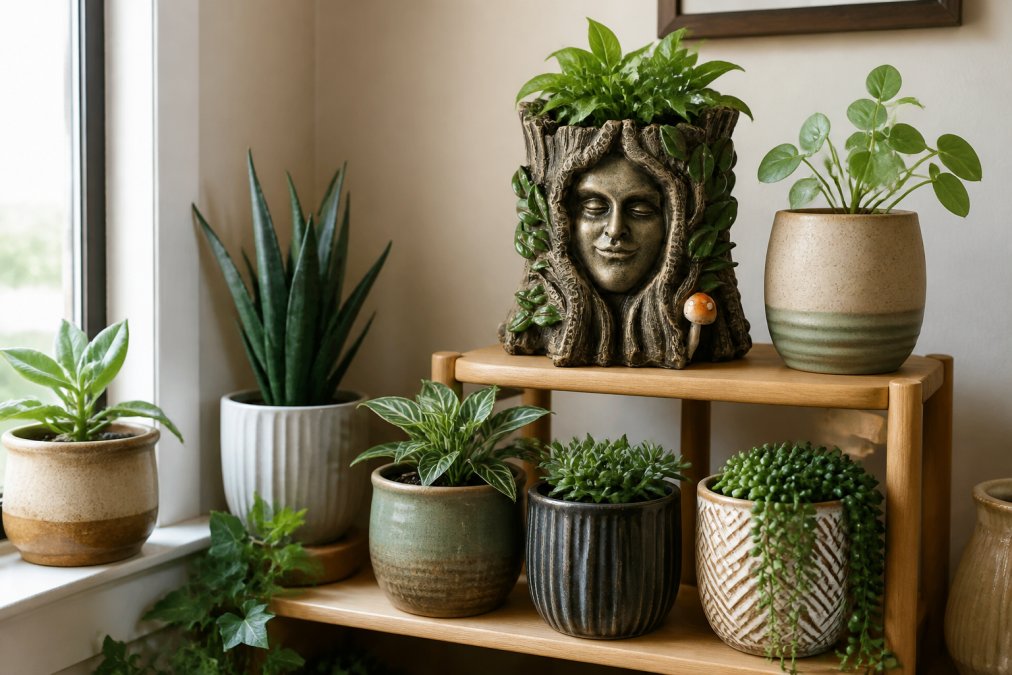
In small spaces, mixing textures adds dimension without overwhelming. Pair a smooth ceramic with a textured concrete pot. Combine glossy and matte finishes. Scale and proportion matter enormously. A single large statement pot can anchor a corner. Multiple small pots clustered together create visual weight through repetition.
Sustainability and Eco-Friendly Plant Pot Choices
If environmental impact matters to you, material choices carry real weight. Terracotta is natural and biodegradable, but mining and firing uses significant energy. Ceramic is durable and lasts decades, offsetting manufacturing impact. Plastic is recyclable but often ends up in landfills. Concrete is energy-intensive to produce.
The most sustainable choice is often the pot you already own. If you must buy, choose durable materials that last years rather than cheap plastics replaced frequently. High-quality ceramic or terracotta used for a decade has lower environmental impact than cheap plastic replaced every few years.
Some manufacturers now offer recycled plastic pots and pots made from reclaimed materials. Look for pots made from post-consumer recycled plastic, which diverts waste from landfills.
Your Step-by-Step Pot Selection Process
Breaking pot selection into steps simplifies the decision.
Step 1: Assess Your Plant's Needs
Start with your plant, not your décor. What are its watering needs? Does it prefer moist soil or dry soil between waterings? How large will it eventually grow? Is it a slow grower that'll stay small, or will it eventually need a large pot?
Write down these specifics. A monstera needs moisture retention and a large pot eventually. A succulent needs excellent drainage and a small pot. A trailing pothos needs a shallow, wide container. These requirements narrow your material and size options immediately.
Step 2: Evaluate Your Space and Style
Now consider your space. What colours dominate? What's your aesthetic: minimalist, maximalist, eclectic, botanical? Do you travel frequently (choose moisture-retaining pots)? Do you have kids or pets (choose unbreakable plastic or ceramic)? Do you rent (choose lightweight pots you can take with you)?
Match these constraints to your material options. If you want a large monstera in a small apartment, a lightweight plastic pot makes sense even if you prefer terracotta's aesthetic. If you're designing a botanical gallery wall, ceramic's colour options matter more than weight.
Step 3: Test the Fit and Consider Repotting
Before committing, check the fit. Place your plant in the pot (still in its nursery pot) to visualize the final look. Does the scale feel right? Does the colour work with your space?
If you're repotting, gently remove the plant from its current pot and check the root ball's size. Choose a pot 2-5cm larger in diameter. If roots are circling tightly, the plant needs repotting regardless of aesthetics.
Have a plan for drainage before you pot. If your chosen pot lacks holes, decide: will you drill one, or will you slip-pot?
| Step | Key Question | Decision |
|---|---|---|
| 1: Plant needs | What are the watering and size requirements? | Choose material and pot size |
| 2: Space & style | What colours, aesthetic, and constraints apply? | Match material and finish to your space |
| 3: Test and fit | Does the scale and look work? Does it need drainage? | Finalize pot choice and drainage plan |
Conclusion
Choosing aesthetic plant pots bridges plant science and interior design. The right pot keeps your plant healthy while making your space feel intentional and beautiful.
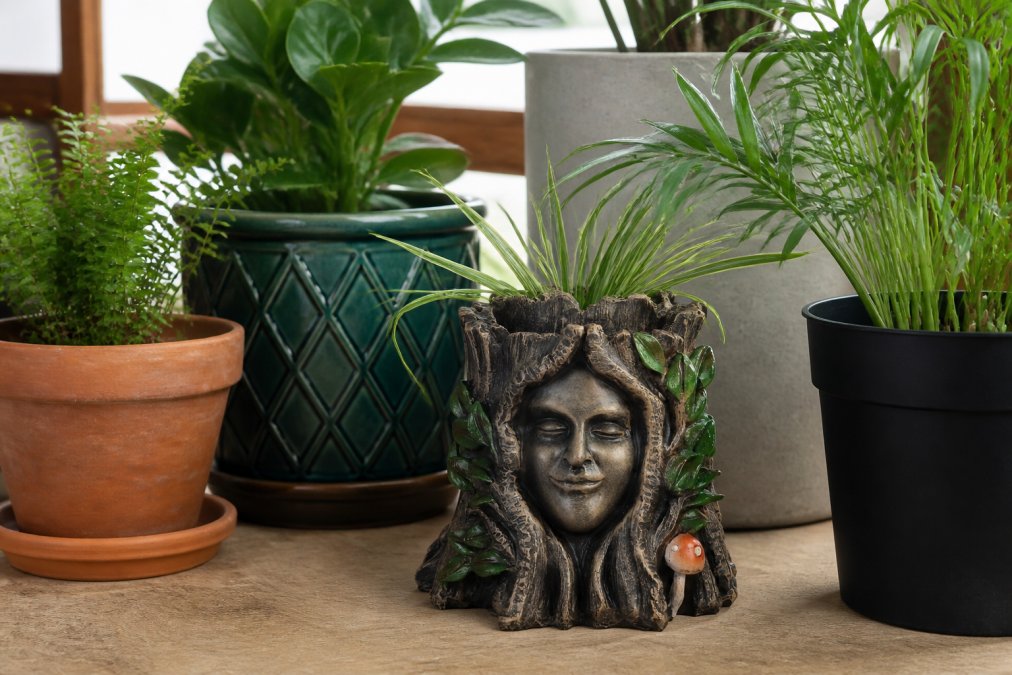
Start with your plant's actual needs, drainage, size, moisture preference, then layer in aesthetic choices that align with your space and style. At Quirky Turkey Gifts, we've curated a collection of pots that do both. The Green Goddess Plant Pot brings timeless elegance to any space, while designs like Hettie the Hedgehog Planter Bowl add personality and whimsy. Each pot is chosen to support healthy plant growth while delivering distinctive character that transforms a room. Explore our collection and find gifts that make people smile.


Frequently Asked Questions
Does the material of a plant pot affect plant health?
Yes, significantly. Terracotta and ceramic with drainage holes allow soil to breathe and prevent root rot through better aeration and moisture regulation. Glazed ceramic retains more moisture, suiting plants that prefer consistent dampness. Plastic holds moisture longer, which can increase root rot risk if you overwater. The key is matching the pot's moisture-retention properties to your plant's needs and your watering habits. Drainage holes matter more than material, without them, any pot becomes hazardous.
How do I choose the right size pot for my plant?
A pot should be 1-2 centimetres larger in diameter than your plant's current root ball. Too small causes root-bound stress; too large traps excess moisture around roots, risking rot. When repotting, check if roots circle the soil, that signals the plant needs a bigger home. For mature plants, you may only need to refresh the top soil rather than upsize. Consider the plant's growth rate: fast growers benefit from slightly larger pots.
What are the best aesthetic plant pot materials for indoor plants?
Ceramic with a matte or glossy glaze offers the best balance of aesthetics and plant health. It's durable, comes in endless colours and textures, and provides moderate moisture retention. Terracotta is beautiful but porous and heavy. Concrete adds modern appeal but is weighty. For small spaces, lightweight ceramic or plastic pots styled in coordinated colours work best. Quirky Turkey's ceramic options like the Wildflower Ceramic Plant Pot (£8.99) combine visual interest with practical drainage and durability.
Should I choose a pot with or without drainage holes?
Always choose pots with drainage holes for plant health. Root rot from waterlogging is the leading cause of plant death indoors. If you love a pot without drainage, use the slip-potting method: place a nursery pot (with drainage) inside a decorative cachepot (without). This keeps your plant healthy whilst maintaining the aesthetic appeal you want. The Face Hanging Planter (£8.79) offers drainage design without sacrificing style.
How do I know if a pot will look good in my space before buying?
Consider your room's colour palette, lighting, and existing decor. Matte finishes suit minimalist or modern spaces; glossy finishes add visual interest. Pastel tones work in soft, neutral rooms; bold colours anchor eclectic spaces. Think about scale and proportion, a small pot on a large shelf looks lost; a large pot in a tiny room overwhelms. If ordering online, check product images from multiple angles and read customer reviews mentioning how pots look in real homes, not just studio shots.
Can I use the same pot style for different plants?
Yes, but match the pot's moisture characteristics to each plant's needs. A glazed ceramic pot suits moisture-loving plants like ferns; terracotta suits succulents needing faster drying. You can absolutely create a cohesive look using the same pot style in different sizes or colours for different plants, this builds visual harmony. The key is ensuring each pot has proper drainage and suits that specific plant's root system and watering requirements.
Are ceramic or plastic pots better for aesthetics?
Ceramic wins for visual appeal. It offers superior texture variety, glaze finishes (matte, glossy, satin), and colour depth. Plastic is lightweight and affordable but looks cheaper and offers fewer design options. For gift-giving or creating a curated indoor garden, ceramic delivers the aesthetic impact you're after. Quirky Turkey's ceramic range, including Hello Sunshine (£9.99) and The Green Goddess (£20.89), showcases how ceramic elevates any space with personality and charm.
This article was written using GrandRanker