
Vertical Garden Kits vs DIY Wall Planters: Which to Choose?

Table of Contents
- Vertical Garden Kits vs DIY Wall Planters: The Quick Comparison
- What You Get With a Vertical Garden Kit
- The Best Indoor Vertical Garden Systems for Small Spaces
- Building DIY Wall Planters: What It Really Takes
- How to Mount Wall Planters Safely
- Choosing Plants for Vertical Gardens
- Which One Should You Pick?
- Frequently Asked Questions
Last Updated: September 26, 2026
Vertical Garden Kits vs DIY Wall Planters: The Quick Comparison
Vertical garden kits are pre-packaged growing systems that arrive with a frame, planting pockets or troughs, and a mounting method included. DIY wall planters are built from separate pots, brackets and fixings you source yourself. Choosing between a vertical garden kit and a DIY build comes down to how much time, drilling confidence and spare cash you have.
This guide from Quirky Turkey Gifts & Gadgets breaks down what each route actually costs you in effort, money and wall damage.
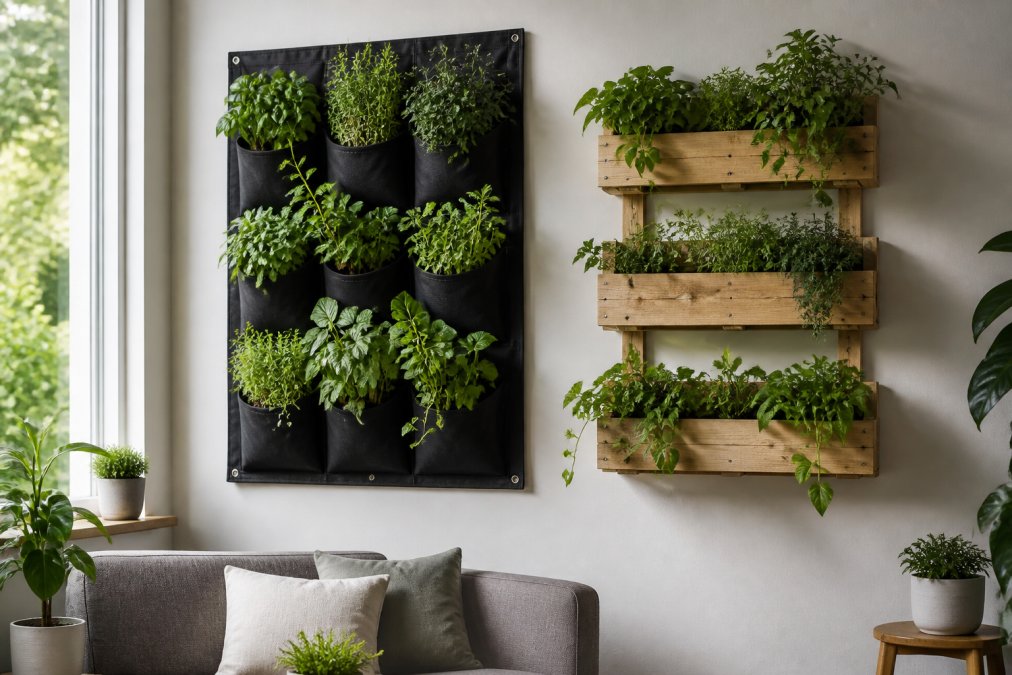
Here is the short version:
| Factor | Vertical Garden Kits | DIY Wall Planters |
|---|---|---|
| Setup time | Under an hour | An afternoon or more |
| Tools needed | Screwdriver | Drill, spirit level, fixings |
| Cost per pocket | Fixed, all-in | Varies with pots chosen |
| Customisation | Limited to kit design | Total freedom |
| Best for | Renters, beginners | Confident DIYers |
What You Get With a Vertical Garden Kit
A vertical garden kit is a complete wall-mounted growing system: frame, planting pockets or troughs, and the fixings to hang it. Most kits are designed to be assembled and mounted in a single sitting, with no cutting or drilling into the planter itself.
The appeal is speed. You unbox it, follow the instructions, and plant it up the same day. The trade-off is that you are stuck with the kit's footprint and colour scheme.
Typical Kit Components and What They Cost
Most kits include a frame or backing panel, felt or plastic pockets, a drip tray or reservoir, wall fixings, and a small watering guide. Some add a self-watering reservoir, which matters if you travel or forget to water.
Kits sit in a broad price band depending on size and material, so it pays to check what is actually included before buying. A kit that skips the drip tray will cost you more in repainting than it saves at checkout.
The Best Indoor Vertical Garden Systems for Small Spaces
The best indoor vertical garden systems for small spaces are compact, self-watering and light enough for a single wall fixing. Look for a footprint under 60cm wide and a reservoir you can refill without dismantling the whole unit.
Small flats and rented rooms change the maths. You want something that mounts on one hook, holds a handful of plants, and comes down without leaving a crater.
Self-watering designs do the heavy lifting for busy households. The Hydrating Herbert Self Watering Plant Pot for Indoor Plants (£14.99) uses a built-in watering system that keeps moisture consistent, and at 21cm tall he suits shelves, desks and windowsills. His counterpart, the Hydrating Hettie Self Watering Plant Pot for Indoor Plants (£14.99), does the same job in a female gnome design.
If you want to test the vertical idea before committing to a full kit, start with one or two characterful pots and build up. According to RHS guidance on container growing, drainage and consistent moisture matter more than pot size for most small indoor plants.
Building DIY Wall Planters: What It Really Takes
Building DIY wall planters takes a drill, a spirit level, the right wall fixings and roughly half a day for a first attempt. The planting itself is quick; the mounting is where the time goes.
The upside is total control. You pick the pots, the spacing, the height and the finish. The downside is that every decision is yours, including the ones you get wrong.
Materials, Tools and Time
You will need pots or troughs, brackets or a mounting rail, wall plugs suited to your wall type, a drill, a spirit level, a pencil and a screwdriver. Add a drip tray or saucer per pot if you value your paintwork.
- Tools: drill, spirit level, pencil, screwdriver, tape measure
- Fixings: wall plugs and screws matched to plasterboard, brick or masonry
- Pots: lightweight where possible to reduce load on the wall
- Time: two to four hours for a first build, less once you have done one
A common mistake is buying heavy ceramic pots for a plasterboard wall. Weight adds up fast once you factor in wet compost, and a failed fixing takes chunks of plaster with it.
How to Mount Wall Planters Safely
Mount wall planters safely by fixing into studs, masonry or specialist plasterboard anchors, never straight into hollow plasterboard with a standard plug. Check the weight rating of every fixing and keep the total load well under it.
Work through it in order:
- Weigh one fully planted pot, then multiply by the number of pots.
- Identify your wall type: masonry, stud partition or hollow plasterboard.
- Choose fixings rated above your total load, with a safety margin.
- Mark bracket positions with a spirit level, checking horizontal alignment.
- Drill, insert fixings, and test each bracket with a firm downward pull.
- Mount the rail or brackets, then add pots one at a time.
For anything above head height or over a doorway, the Health and Safety Executive guidance on safe working at height is worth a read before you climb. A stepladder on a hard floor needs a second pair of hands.
Choosing Plants for Vertical Gardens
Choosing plants for vertical gardens means picking species that cope with less compost, faster drying and lower light than a floor pot. Trailing and compact varieties work best; tall or top-heavy plants tip forward and pull at fixings.
Good candidates include succulents, spider plants, pothos, ferns and small herbs like mint and thyme. All tolerate tighter root space and forgive the occasional missed watering.
- Low light: pothos, spider plant, peace lily
- Bright light: succulents, cacti, herbs
- Trailing: ivy, string of pearls, trailing ferns
Match the plant to the spot before you buy. A sun-loving succulent on a north-facing wall will sulk no matter how good the planter looks.
Which One Should You Pick?
Pick a vertical garden kit if you want results this weekend with minimal tools and no drilling guesswork. Pick DIY wall planters if you enjoy the build, want a specific look, and are comfortable with a drill.
For renters, small flats and gift-givers, kits and self-watering pots win on effort and reversibility. For confident DIYers with a clear vision, building your own gives you a wall nothing off-the-shelf can match.
If you are buying for a plant lover rather than yourself, a characterful planter is the safer bet than a full kit. The Plant Mum Planter with Dangling Legs & Blue Shoes (£7.95) hangs playfully over a shelf edge, while Hettie the Hedgehog Planter Bowl (£7.99) suits cacti and small plants. For keeping track of watering, Willy the Garden Worm Water Sensor Gardeners Tool (£2.75) changes colour to show moisture levels.


Frequently Asked Questions
Are vertical garden kits worth the investment?
It depends on how much time you want to spend building. A kit arrives with the frame, growing pockets or trays, and often a drip tray or basic watering channel, so you can plant it the same afternoon. DIY saves money on materials but costs you weekends, tools and trial-and-error. If you want greenery on the wall this month, a kit usually wins. If you enjoy making things, DIY gives you a custom fit for awkward spaces.
Do vertical garden kits come with irrigation systems?
Some do, some do not. Entry-level kits often rely on hand watering with a removable tray or a felt backing that holds moisture. Mid-range kits may include a simple gravity-fed reservoir or a pump that circulates water through channels. Before buying, check whether the kit lists a reservoir, pump or drip line. If it does not mention one, assume you will water by hand, which is fine for a small wall of succulents or herbs.
How do I mount wall planters safely?
Find the studs or use proper hollow-wall fixings rated for the loaded weight. Soil holds water, and wet compost can weigh several kilograms per planter, so add up the total before you drill. Keep the top of the system within easy reach for watering, and use a drip tray or waterproof backing to protect plaster and paint. If you rent, check your tenancy agreement before making holes, and consider a freestanding frame instead.
What plants thrive best in vertical wall planters?
Trailing plants like pothos, string of pearls and ivy work well because they cascade over the edge. Succulents, spider plants and herbs such as mint, thyme and chives also cope with the shallower root space. Avoid large, thirsty plants that need deep soil. For a quirky touch, small character planters like the Plant Mum Planter with Dangling Legs suit compact succulents or artificial greenery, and self-watering pots such as Hydrating Herbert help steady moisture in vertical setups.
Are DIY vertical gardens safe for interior walls?
They can be, if you plan for water. Use a waterproof liner or drip tray behind each planter, seal any timber you mount, and leave a small gap between the planter and the wall so air can move. Fixings must match the weight of wet compost, not dry. On plasterboard, use hollow-wall anchors rated well above the load. Check the wall for pipes and cables before drilling, and if in doubt, hire a handyperson.
The real challenge with vertical gardens is not the mounting; it is keeping everything alive once it is up. Quirky Turkey Gifts & Gadgets stocks characterful planters and self-watering pots that take the guesswork out of indoor plant care, backed by over 100,000 happy customers and express delivery. Browse the collection, find a planter that makes you smile, and give your greenery a home with personality.


